
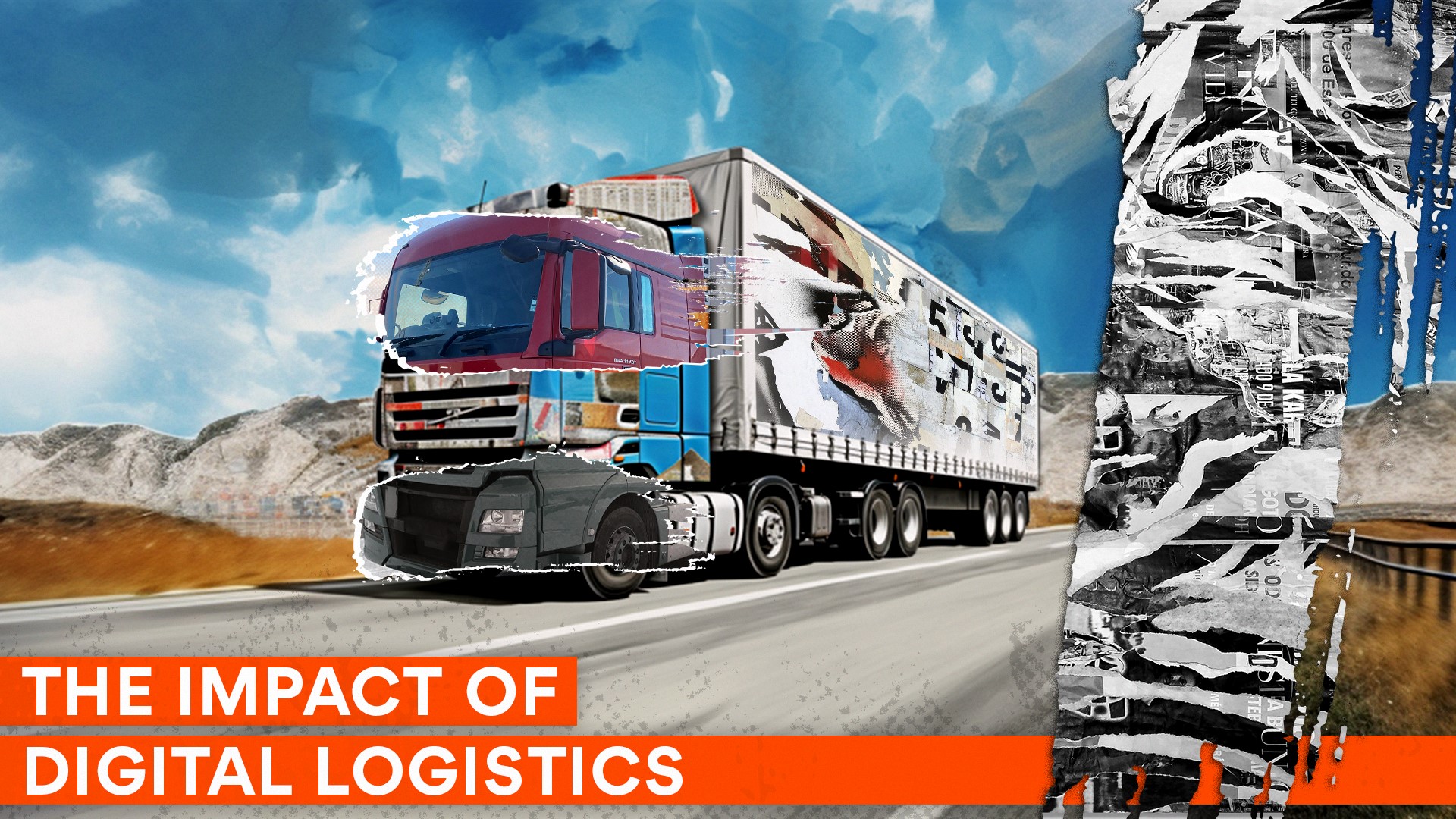
In today’s fast-paced global economy, the integration of digital technology into logistics processes has brought about a revolution in the way businesses manage their supply chains. The impact of digital logistics is profound and far-reaching, reshaping the landscape of the industry.
One key aspect of digital logistics is enhanced efficiency. With the implementation of sophisticated software and real-time tracking systems, companies can optimize route planning, reduce transportation costs, and minimize delays. This not only leads to cost savings but also enhances customer satisfaction by ensuring timely deliveries.
Furthermore, digital logistics promotes transparency and accountability. Through IoT devices and blockchain technology, stakeholders can access real-time information about the movement of goods, from manufacturer to end consumer. This transparency not only builds trust but also aids in the detection of potential issues and facilitates quicker problem-solving.
Additionally, the utilization of data analytics and machine learning algorithms in digital logistics enables predictive maintenance, reducing the likelihood of equipment breakdowns and ensuring the smooth flow of operations.
In conclusion, the impact of digital logistics cannot be understated. It has redefined how businesses manage their supply chains, enhancing efficiency, transparency, and accountability. As technology continues to evolve, we can expect even more innovative solutions to shape the future of logistics, making it an exciting field to watch.